Last Updated on May 15, 2026 by Prabhakar A
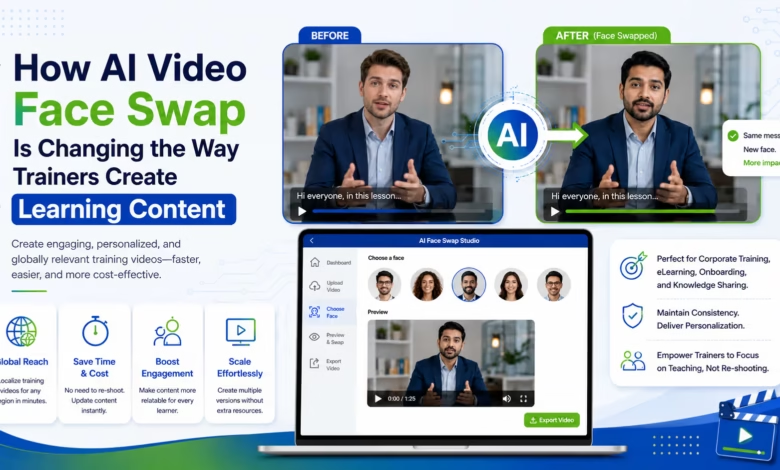
There is a quiet but significant shift happening in the way educators, corporate trainers, and independent course creators approach video production. For years, the barrier to professional-looking instructional video was equipment, location, and time. Today, the bottleneck is different — it is about being on camera at all, in a way that actually connects with your audience.
This is where AI-generated video tools have stepped in to fill a genuine workflow gap, and the results are changing what “production-ready” looks like for skill-based content creators.
Table of Contents
Why On-Camera Presence Matters and Why It Is So Hard to Scale
Every trainer or educator who has tried to produce a video course knows the friction. Recording a clean take is one thing. Producing versions in different languages, adapting delivery for different learner demographics, or simply refreshing a module without re-shooting the whole thing — these are not small tasks.
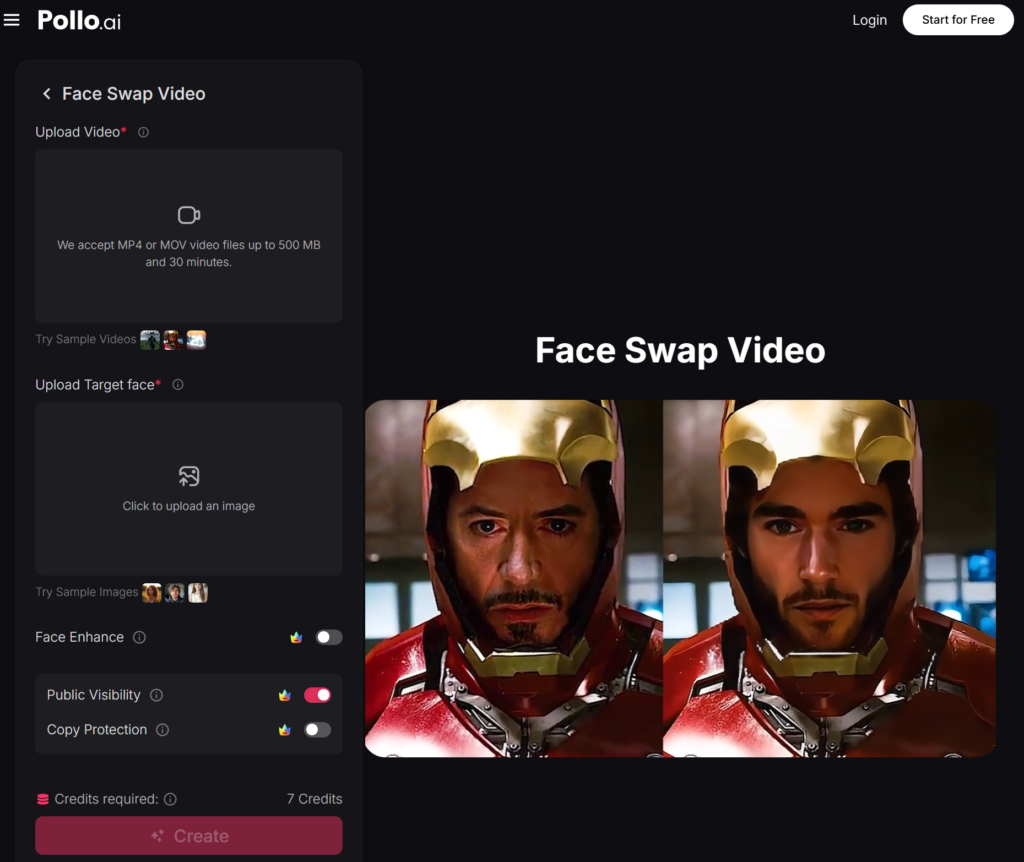
The challenge becomes even steeper for digital marketers and skill-development platforms that need a consistent on-screen persona across dozens of modules. Hiring video talent repeatedly, managing studio sessions, and editing for continuity is expensive and slow. This is the exact problem that Pollo AI’s video face swap capability addresses in a practical, production-ready way. Rather than replacing the performer, it gives creators control over how the presenter appears in existing footage — making it possible to localise content, refresh visuals, or simply make a consistent face-of-brand choice without reshooting a single frame.
For trainers building a library of explainer content, this kind of flexibility is not a novelty. It is a genuine time-saver that changes how a content calendar gets built.
What This Looks Like in a Real Training Workflow?
Consider a corporate learning and development team building a compliance training series. They record a base set of modules with one presenter. Later, they need a regional adaptation — different visual persona, same script, same pacing. Traditionally, that means re-booking talent and returning to the studio.
With AI video tools like those offered through Pollo AI, the team can take that original footage and apply a face-swap layer to produce the adapted version in a fraction of the time. The audio, timing, and learning structure all stay intact. The visual presentation changes to suit the new context.
This workflow scales. A platform producing ten modules can produce forty without a proportional increase in production cost. For skill-development content creators — particularly those working with small teams or solo — this matters enormously.
Educators building personal brands are also finding this useful. Recording with your own face is fine for an established audience. But when you want to test how a course performs with an alternate presenter persona, or produce content for a client where you are not the intended face of the material, having that option opens up creative and commercial possibilities that simply did not exist in a practical, affordable form before.
Where AI Model Pages Fit and How to Use Them Thoughtfully
Not all AI face-swap tools are built the same way, and choosing the right one for educational or professional content creation means looking at output quality, privacy handling, and whether the tool supports the kind of iterative workflow that training content actually demands.
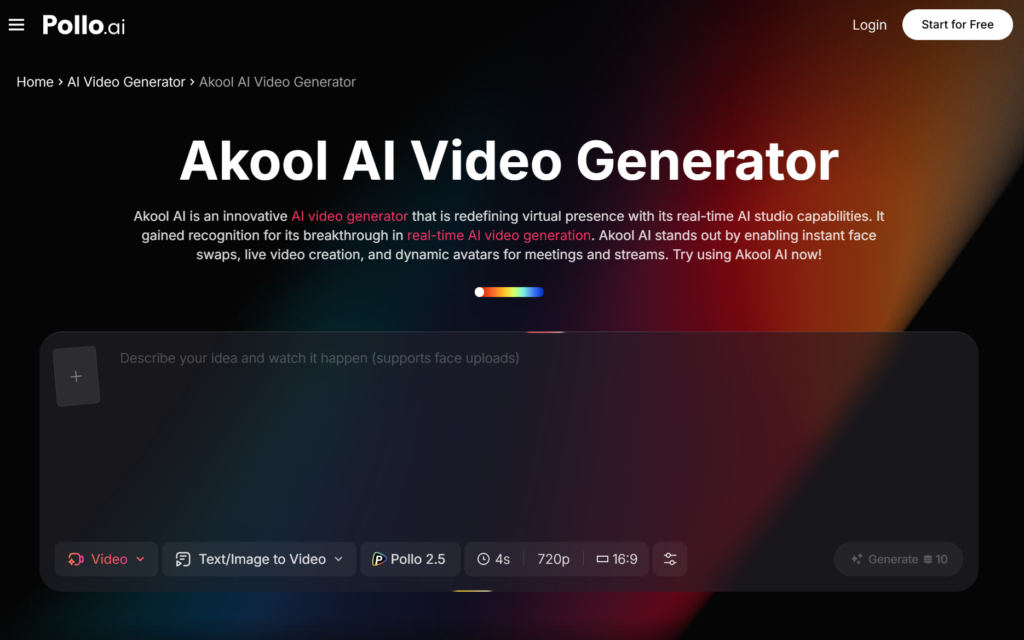
One common reference point in this space is Akool AI, a model available through the Pollo AI platform. Akool is notable for producing realistic, temporally consistent results — meaning the face replacement holds up across motion and cuts, not just in static frames. For training content, where a presenter might gesture, look side-to-side, or walk through a diagram, that consistency is what separates a usable output from something that feels off and breaks learner trust.
Pollo AI positions itself as a platform where creators can compare and access multiple AI video models in one place, which is genuinely useful when you are evaluating options for a specific project type. A compliance video has different fidelity requirements than a social media explainer. Being able to match the model to the task rather than committing to one tool for everything is a more mature approach to AI-assisted production.
The practical takeaway for educators and trainers is this: it is worth understanding what different models do well before locking a workflow in place.
The Bigger Picture for Learning Content Creators
AI video face-swap is not a shortcut for lazy production. Used well, it is a production efficiency tool that makes high-quality, audience-appropriate content more achievable for more creators. That is especially true in the training and education space, where the demand for tailored, localised, and regularly updated content is high but budgets rarely match the ambition.
Platforms like Pollo AI are making it easier for educators and creators to experiment with these capabilities without committing to a full enterprise contract or a deep technical learning curve. That accessibility is what will drive genuine adoption — not among content farms, but among the independent trainer, the digital skills educator, and the L&D professional trying to serve a wider audience more effectively.
The real value is not the face on the screen. It is the ability to keep producing content that teaches, reaches, and resonates — consistently, at scale, and without the production overhead that used to be unavoidable.
Recommended Articles To Read:
How to Create Wall Art for Home and Office Spaces?
Generate Realistic Lighting And Textures Easily With Seedance AI
Best AI Voice Generator Tools for Content Creators in 2026
Comments
0 comments