
Last Updated on April 12, 2026 by Prabhakar A
The Software as a Service (SaaS) market continues its rapid expansion, driven by businesses seeking flexible, scalable, and cost-effective solutions. As we navigate 2026, understanding the nuances of SaaS business models is no longer a competitive advantage but a fundamental requirement for survival and growth. This guide delves into the essential strategies for crafting and refining a successful SaaS offering, from defining your core value to exploring diverse revenue streams.
In today’s dynamic tech landscape, a well-defined SaaS business model is the bedrock of sustainable success. It dictates how you deliver value, acquire customers, and, crucially, generate revenue. This comprehensive exploration will equip you with the knowledge to navigate complex pricing structures, identify emerging revenue opportunities, and ultimately, build a SaaS business that thrives.
Table of Contents
The Evolving Landscape of SaaS Revenue Streams in 2026
The SaaS industry in 2026 is characterized by increasing customer sophistication and a demand for clear value alignment. Gone are the days of one-size-fits-all pricing; customers now expect tailored solutions and transparent billing. This shift necessitates a diversified approach to revenue generation, moving beyond simple subscription fees to encompass a wider array of income streams. Businesses that adapt to these evolving demands will be better positioned to retain customers and foster long-term loyalty. Understanding these shifts is crucial for any SaaS provider aiming to maintain a competitive edge in a crowded marketplace. The focus is increasingly on customer lifetime value and ensuring that every touchpoint contributes positively to the overall relationship.
Key trends shaping SaaS revenue in 2026 include a greater emphasis on consumption-based models, where pricing directly reflects usage, and the rise of integrated ecosystems. Many successful SaaS companies are now offering tiered packages that cater to different business sizes and needs, alongside a la carte options for specialized functionalities. Furthermore, the integration of artificial intelligence for personalized user experiences and proactive support is becoming a significant driver of customer satisfaction and, consequently, revenue retention. Companies that embrace data analytics to understand user behavior can then optimize their offerings and pricing strategies, leading to predictable revenue growth. Exploring how to unlock business growth with AI can be a pivotal step in this direction.
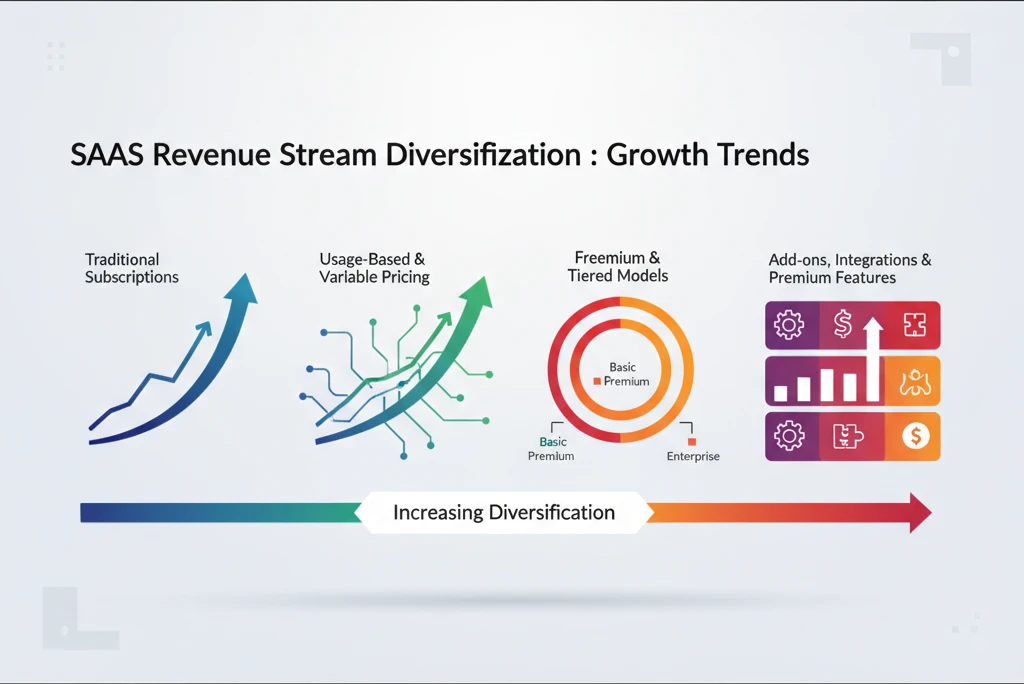
The competitive pressure also means that ancillary revenue streams, such as add-on features, premium support, and professional services, are becoming increasingly important. These not only diversify income but also deepen customer engagement by providing more comprehensive solutions. Companies that can effectively bundle services and products are finding that they can command higher average revenue per user (ARPU) and reduce churn. The ability to demonstrate clear ROI for these additional offerings is paramount. For instance, offering advanced analytics or specialized integrations can justify a higher price point, especially for enterprise clients. This strategic approach to revenue diversification helps to insulate SaaS businesses from market fluctuations and individual customer attrition. Successfully managing these various streams requires robust operational and financial management, ensuring that each contributes positively to the bottom line without detracting from the core product’s value proposition.
Defining Your Core SaaS Value Proposition
A compelling value proposition is the cornerstone of any successful SaaS business. It’s the clear, concise statement that explains what makes your product unique and why customers should choose it over alternatives. In the competitive SaaS landscape of 2026, a generic value proposition simply won’t cut it. You need to articulate precisely how your solution addresses a specific problem or fulfills an unmet need for your target audience. This involves a deep understanding of their challenges, aspirations, and the language they use to describe their pain points. Without this clarity, your marketing efforts will likely fall flat, and customer acquisition will be a constant struggle. Think of your value proposition as the promise you make to your customers about the outcomes they can expect.
Identifying the ‘Pain Point’ Your SaaS Solves
The first step in defining a powerful value proposition is to pinpoint the specific ‘pain point’ your SaaS product alleviates. This isn’t about listing features; it’s about understanding the real-world problems your potential customers face. Are they losing money due to inefficiencies? Are they struggling with a lack of specific data? Are their current processes cumbersome and time-consuming? Dive deep into customer interviews, market research, and competitor analysis to uncover these critical issues. For example, a project management SaaS might address the pain point of team collaboration breakdowns and missed deadlines. Conversely, a cybersecurity SaaS could solve the problem of increasing data breaches and compliance risks. The more precisely you can identify and articulate this pain, the easier it will be to position your solution as indispensable. Remember, customers buy solutions to their problems, not just software. This is a fundamental aspect of understanding career guidance and job search strategies, as individuals seek solutions to their professional challenges.
Quantifying the Benefits for Your Target Audience
Once you’ve identified the pain point, the next crucial step is to quantify the benefits your SaaS offers. This means translating the relief your product provides into tangible, measurable outcomes for the customer. Instead of saying “improves efficiency,” say “reduces process time by 30%.” Instead of “enhances collaboration,” state “decreases miscommunication incidents by 40%, leading to fewer project delays.” Using specific metrics and data makes your value proposition far more credible and persuasive. Consider the financial implications: how much money will customers save? How much revenue can they potentially gain? What is the return on investment (ROI)? Presenting these quantifiable benefits helps prospective clients immediately grasp the economic advantage of adopting your solution, making the decision to purchase much simpler. For instance, demonstrating how your platform can boost their digital marketing ROI by a specific percentage is far more compelling than a general statement about improved performance.
Benchmarking Against Market Demands
Your value proposition must also be benchmarked against current market demands and competitive offerings. What are your competitors promising? Where are their offerings falling short? Your SaaS should not only solve a problem but do so in a way that is superior or distinct from existing solutions. This involves understanding the broader market trends and ensuring your value proposition is relevant and timely. For example, if the market is increasingly focused on sustainability, your value proposition might highlight how your SaaS reduces a company’s carbon footprint. Similarly, in the realm of tech, companies are constantly looking to future-proof their tech careers with relevant skills; your SaaS could be positioned as a tool that facilitates this. Regularly reviewing industry reports and competitor strategies will ensure your value proposition remains sharp and competitive. This alignment ensures you are not just offering a solution, but the best solution available in the current market climate.
Unpacking the Subscription-Based Pricing Pillars
Subscription-based pricing remains the dominant model in the SaaS industry, offering predictable recurring revenue for providers and consistent access for customers. However, the effective implementation of this model involves understanding its various pillars and choosing the structure that best aligns with your product, target market, and business goals. In 2026, customers are more discerning than ever, demanding transparency and value for their ongoing investment. This means carefully considering how you segment your offerings, set your price points, and communicate the benefits of each tier or pricing structure. The goal is to create a system that is both profitable for your business and perceived as fair and valuable by your user base.
Tiered Pricing: Offering Scalability and Value
Tiered pricing is a popular strategy where you offer different packages of your SaaS product at varying price points, each with a distinct set of features and limitations. This model is highly effective because it caters to a broad spectrum of customers, from small startups to large enterprises. Common tiers include “Basic,” “Pro,” and “Enterprise,” with each subsequent tier offering more advanced features, higher usage limits, or enhanced support. The key to successful tiered pricing lies in clearly defining the value and differentiation between each tier, ensuring that customers can easily identify the package that best suits their current needs and budget. This approach allows businesses to scale their investment as their own needs grow, fostering customer loyalty. For instance, a small business might start with a basic plan and upgrade to a pro plan as their team expands, thereby increasing your average revenue per user (ARPU). The perceived value must increase proportionally with the price point to avoid customer dissatisfaction and churn.
Per-User Pricing: Simplicity and Predictability
Per-user pricing is perhaps the most straightforward SaaS pricing model. Customers are charged a fixed rate for each individual user who accesses the software. This model offers excellent predictability for both the vendor and the customer, as revenue scales directly with the number of active users. It’s particularly well-suited for collaborative tools, CRM systems, and project management software where each user benefits directly from the service. The simplicity of per-user pricing makes it easy to understand and manage, which can be a significant advantage for sales and customer support teams. However, it can become expensive for larger organizations with many infrequent users, potentially leading them to seek alternative solutions. To mitigate this, some SaaS companies offer volume discounts for larger user counts, ensuring that the cost remains manageable for growing teams. This approach aligns closely with the idea of career advancement, where individual contributions within a team are valued and compensated.
Feature-Based Pricing: Granular Control for Customers
Feature-based pricing offers customers a high degree of control by allowing them to select and pay only for the specific features they need. This model is ideal for SaaS products with a wide array of functionalities, where different customer segments might only require a subset of the available tools. For example, an email marketing platform might offer basic sending capabilities in a lower tier, with advanced automation, segmentation, and A/B testing features available as add-ons or in higher tiers. This approach ensures that customers are not paying for features they will never use, making it a highly efficient and customer-centric pricing strategy. It also provides opportunities for upselling by encouraging users to adopt more advanced features as their needs evolve. A well-executed feature-based pricing strategy can significantly improve customer satisfaction and reduce perceived cost barriers to adoption.
Usage-Based Pricing: Aligning Cost with Value
Usage-based pricing, also known as consumption-based pricing, ties the cost of the SaaS directly to how much a customer actually uses the service. This can be measured in various ways, such as data storage, API calls, transaction volume, or computing power. This model is highly attractive to customers because they only pay for what they consume, ensuring that the cost directly reflects the value they receive. For SaaS providers, it can lead to higher revenue from power users but also introduces more variability in income. It requires robust tracking and billing infrastructure to implement accurately. Examples include cloud storage providers or services that charge per API request. This model is becoming increasingly popular as businesses seek to optimize spending and ensure true value for money. It’s a sophisticated model that demands a deep understanding of customer consumption patterns and requires transparent reporting to maintain trust.
Beyond Subscriptions: Exploring Hybrid and Ancillary Revenue Models
While subscription-based models form the backbone of many SaaS businesses, relying solely on them can limit growth potential and market reach. In 2026, successful SaaS companies are increasingly embracing hybrid models and ancillary revenue streams to diversify income, enhance customer value, and capture a wider audience. These supplementary models can range from offering a free entry point to attract users, to providing premium services that deepen customer engagement and unlock new revenue opportunities. By strategically integrating these complementary revenue sources, SaaS businesses can build more resilient and profitable operations. The key is to ensure these additional offerings align with the core product and genuinely enhance the customer experience, rather than feeling like forced upsells.
Freemium: Converting Free Users to Paid Customers
The freemium model offers a basic version of the SaaS product for free, with the aim of converting a percentage of these free users into paying customers for premium features or higher usage limits. This strategy is highly effective for user acquisition, as it significantly lowers the barrier to entry and allows potential customers to experience the product’s core value firsthand. For example, a productivity app might offer basic task management for free, while advanced collaboration tools, reporting, and integrations are reserved for paid tiers. The success of a freemium model hinges on designing a compelling free offering that showcases significant value while clearly delineating the benefits of upgrading. It requires a robust funnel and effective in-app prompts to guide free users toward conversion. This can be a powerful way to expand your user base rapidly, much like how effective web design principles aim to draw in visitors and encourage engagement.
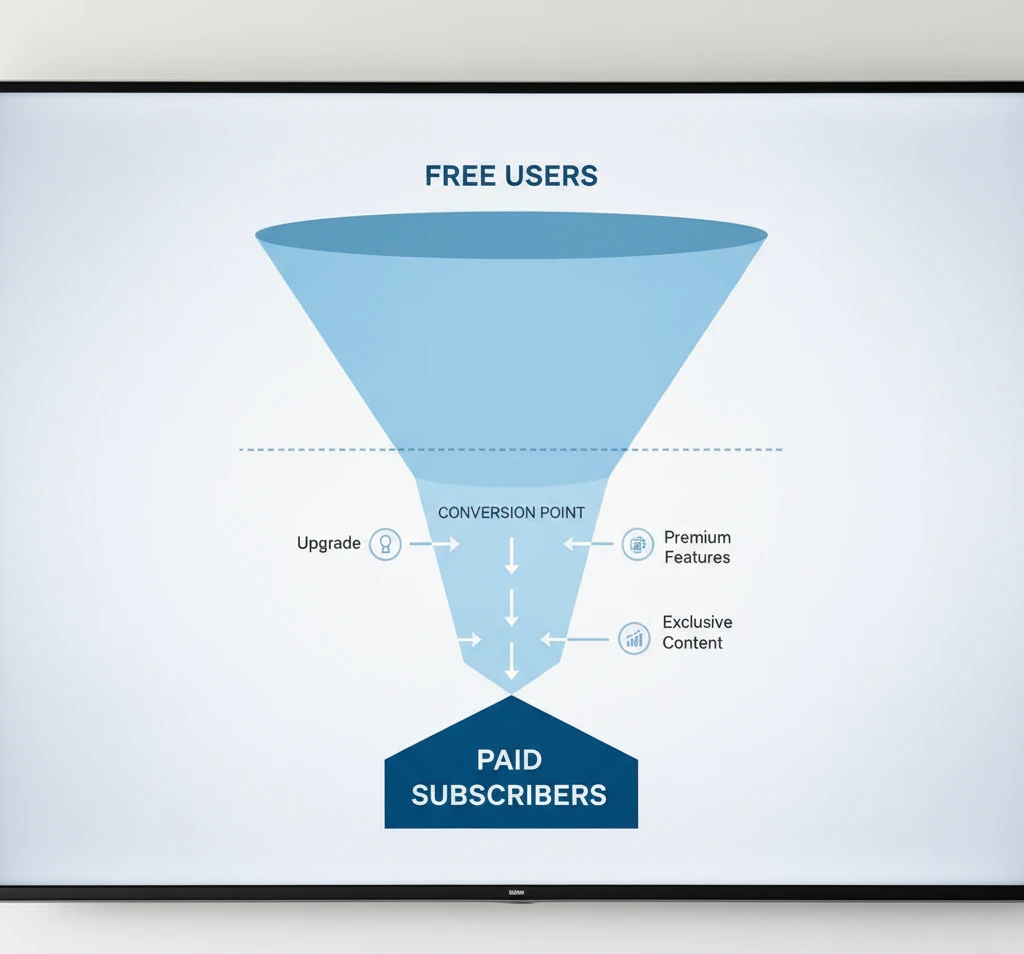
The challenge with freemium lies in balancing the cost of supporting a large free user base with the revenue generated from conversions. Effective strategies involve carefully segmenting features to ensure the free version is valuable but incomplete, and employing data analytics to identify users most likely to convert. Implementing upgrade paths that are triggered by specific usage milestones or demonstrated needs can also be highly effective. For instance, if a free user consistently hits a data storage limit, an automated prompt to upgrade to a paid plan with more capacity would be timely and relevant. This model thrives on volume, making customer acquisition cost (CAC) a critical metric to monitor closely. If CAC exceeds the lifetime value of a converted customer, the freemium strategy becomes unsustainable.
Add-ons and Integrations: Expanding Functionality and Revenue
Offering add-ons and integrations is a powerful way to increase the value and stickiness of your SaaS product while simultaneously creating new revenue streams. Add-ons are optional features or modules that extend the core functionality, allowing users to customize their experience to their specific needs. Integrations connect your SaaS with other popular applications and services, streamlining workflows and providing a more unified digital environment for your customers. For example, a CRM might offer add-ons for advanced analytics or a separate sales enablement module. It could also integrate with email marketing tools or accounting software. These extensions allow you to tap into niche markets and cater to a broader set of user requirements without bloating the core product. This strategy is particularly effective for platforms that aim to become a central hub in a user’s digital toolkit, enabling them to leverage essential digital marketing tools more effectively.
The revenue generated from add-ons and integrations can be substantial. You can choose to charge a one-time fee for certain add-ons, a recurring fee for premium integrations, or incorporate them into higher subscription tiers. The key is to ensure that these extensions provide genuine, demonstrable value that justifies their cost. Thorough market research is essential to identify which add-ons and integrations will be most in-demand by your target audience. Partnering with other software providers for seamless integrations can also expand your reach and create mutually beneficial referral opportunities. For instance, a successful integration with a widely-used accounting package can drive new users to your platform who prioritize that specific connectivity. This approach enhances product complementarity and builds a more robust ecosystem around your SaaS.
Professional Services: Implementation, Training, and Support Revenue
Beyond the software itself, professional services represent a significant opportunity for SaaS companies to generate additional revenue and deepen customer relationships. These services typically include implementation assistance, custom configuration, ongoing training, and premium support. For complex enterprise-level SaaS solutions, proper implementation and user training are critical for success. By offering these services, you not only ensure your customers derive maximum value from your product but also create a new, high-margin revenue stream. For instance, a sophisticated business intelligence platform might require specialized consultants to help clients set up dashboards and interpret data effectively. This can involve one-time fees for setup and custom projects, or recurring revenue for enhanced support packages and ongoing training programs. Offering robust support can be a key differentiator, especially when customers need help to navigate complex technical challenges.
The success of professional services relies on having a skilled team capable of delivering expert advice and support. It also requires clear service level agreements (SLAs) to manage customer expectations regarding response times, deliverables, and costs. For SaaS providers, professional services can be particularly valuable for understanding customer needs at a deeper level, which can then inform product development and future feature roadmaps. They also contribute to increased customer retention by fostering strong relationships and ensuring users are empowered and satisfied. A well-structured professional services offering can transform a transactional software sale into a strategic partnership, driving long-term loyalty and advocacy for your brand.
Data Monetization (with Ethical Considerations)
In the age of big data, SaaS companies often find themselves in possession of valuable aggregated and anonymized user data. This data, when analyzed and interpreted, can offer powerful insights into market trends, user behavior, and industry benchmarks. The ethical monetization of this data involves leveraging these insights to create new products or services, such as industry reports, predictive analytics tools, or market intelligence dashboards, without compromising individual user privacy. It’s crucial to approach this revenue stream with extreme caution and a commitment to transparency. Any data used for monetization must be thoroughly anonymized and aggregated, ensuring that no individual or specific company can be identified. Clear consent mechanisms and adherence to data privacy regulations (like GDPR or CCPA) are non-negotiable. For example, offering anonymized industry spending trends derived from your platform’s usage data could be a valuable offering to businesses looking to enhance functionality and insights within their operations.
When considering data monetization, prioritize building trust with your user base. Any deviation from ethical practices can lead to severe reputational damage and legal repercussions. This often means investing in robust data anonymization techniques and establishing clear policies on data usage. The goal is to provide valuable external insights derived from your platform’s collective activity, rather than selling raw user data. For instance, a SaaS platform used by many small businesses might offer aggregated reports on common operational challenges or successful marketing tactics, allowing businesses to learn from collective, anonymized experiences. This can be a powerful way to add value to your ecosystem while creating a unique, data-driven revenue stream. The key is to ensure that the value derived from data benefits both the SaaS provider and its customers, fostering a symbiotic relationship built on privacy and shared understanding. The ethical considerations surrounding this can be complex, and it’s wise to stay informed about emerging best practices and regulatory changes.
Choosing the Right Pricing Strategy: A Decision Framework
Selecting the optimal pricing strategy is paramount for the sustained growth and profitability of any SaaS business. It’s not merely about setting a price, but rather about constructing a comprehensive model that aligns with your target audience’s perceived value, market dynamics, and your operational costs. A well-defined pricing strategy directly influences customer acquisition, retention, and ultimately, revenue. Consider the diverse needs of your potential user base; are you targeting individual professionals seeking affordable tools, or large enterprises requiring robust, feature-rich solutions? Understanding these nuances allows for the creation of tiered pricing structures or feature-based packages that cater to different segments. For instance, a marketing automation platform might offer a “starter” plan for small businesses, a “professional” plan for growing agencies, and an “enterprise” plan with advanced customization for large corporations. This approach ensures that customers pay for the value they receive, fostering a sense of fairness and increasing the likelihood of conversion and long-term commitment. Remember to continuously monitor how changes in your offering or market conditions might necessitate a price adjustment to maintain competitiveness and profitability.
Analyzing Customer Segments and Their Willingness to Pay
A deep dive into your customer segments is the cornerstone of effective pricing. Each segment possesses unique needs, pain points, and budget constraints. For example, freelancers often have tighter budgets but require essential tools to operate efficiently, making them more sensitive to upfront costs and more receptive to flexible payment options. Conversely, established businesses might prioritize comprehensive features, scalability, and dedicated support, and are therefore willing to invest more for these benefits. Conduct thorough market research through surveys, interviews, and analyzing existing customer data to gauge their perceived value of your solution. Tools like conjoint analysis can be particularly useful here, helping to understand which features are most valued and how much customers are willing to pay for them. Remember that willingness to pay isn’t static; it can be influenced by factors like the severity of the problem your SaaS solves, the availability of alternatives, and the perceived return on investment. A clear understanding of these factors allows you to tailor your pricing tiers and feature sets to maximize adoption and revenue across your diverse customer base.
Assessing Competitor Pricing and Market Positioning
Understanding your competitive landscape is crucial for setting prices that are both attractive to customers and sustainable for your business. Analyze your competitors’ pricing models, feature sets, and target markets. Are they primarily using freemium models, tiered subscriptions, or usage-based pricing? Identify where your offering stands in terms of features, quality, and target audience compared to others. If your product offers significantly more advanced features or superior support, you may command a higher price point. Conversely, if you are a newer entrant with a less feature-rich product, you might need to price more competitively, perhaps focusing on a niche market or offering a more accessible entry-level plan. Consider the overall value proposition you are offering. Are you positioning yourself as a premium solution, a budget-friendly alternative, or a mid-market leader? This positioning will heavily influence customer perception and your pricing ceiling. Tools that track competitor pricing can be invaluable in this process, but always remember to balance external data with your internal cost structure and value proposition.
Calculating Your Cost of Goods Sold (COGS) and Profit Margins
While market demand and competitor pricing are vital, understanding your own cost structure is non-negotiable for sustainable profitability. Your Cost of Goods Sold (COGS) in a SaaS context typically includes direct costs associated with delivering your service. This can encompass server costs, third-party software licenses embedded in your product, and direct customer support expenses directly tied to service delivery. It’s also important to consider operational overheads that are directly attributable to your SaaS offering, such as development and maintenance costs. Once you have a clear picture of your COGS, you can then determine your desired profit margins. A common approach is cost-plus pricing, where you add a predetermined markup to your COGS. However, for SaaS, a more nuanced approach is often better, integrating value-based pricing with a solid understanding of your costs to ensure profitability. For example, if your COGS per customer is $10 per month, and you aim for a 70% gross profit margin, your minimum price would need to be around $33.33 per month. This calculation forms the floor below which pricing becomes unsustainable.
Testing and Iterating: A/B Testing Your Pricing Pages
Pricing is not a set-it-and-forget-it endeavor. The most successful SaaS companies continuously test and refine their pricing strategies. A/B testing your pricing pages is a powerful, data-driven method to optimize conversion rates and revenue. This involves presenting different versions of your pricing page to distinct segments of your website visitors to see which performs better. You can test variations in pricing tiers, feature inclusions in each tier, call-to-action button text, payment plan options (monthly vs. annual), and even the overall layout and messaging of the page. For instance, one version might highlight annual savings, while another emphasizes the monthly cost. Track key metrics such as conversion rates, average revenue per user (ARPU), and trial sign-ups for each variant. Even small adjustments can lead to significant improvements over time. Remember to isolate variables when testing and allow sufficient time and traffic for statistically significant results. This iterative process ensures your pricing remains competitive and aligned with customer perception of value.
Key Metrics for SaaS Business Model Success
To truly master your SaaS business model, a rigorous focus on key performance indicators (KPIs) is essential. These metrics provide actionable insights into your business’s health, growth trajectory, and customer relationships. Without tracking these numbers, you’re essentially navigating blind, making it difficult to identify areas for improvement or capitalize on opportunities. Understanding metrics like Customer Acquisition Cost (CAC), Customer Lifetime Value (CLTV), churn rate, and recurring revenue is not just about reporting; it’s about informing strategic decisions. For example, if your CAC is significantly higher than your CLTV, you have a fundamental problem with your acquisition or retention strategy that needs immediate attention. Similarly, a high churn rate can negate even the most successful customer acquisition efforts. Regularly monitoring and analyzing these metrics allows you to make data-backed decisions, optimize your marketing spend, refine your product development, and ultimately build a more resilient and profitable SaaS business. This diligent approach to measurement is what separates fleeting startups from enduring SaaS giants.
Customer Acquisition Cost (CAC): Measuring Acquisition Efficiency
Customer Acquisition Cost (CAC) is a critical metric that quantifies the average expense incurred to acquire a new paying customer. Calculating CAC involves summing up all your sales and marketing expenses over a specific period (e.g., monthly, quarterly) and dividing that total by the number of new customers acquired during that same period. This includes costs for advertising, content creation, sales team salaries, software tools, and any other expenditure related to attracting and converting leads. For example, if a SaaS company spends $10,000 on marketing and sales in a month and acquires 200 new customers, their CAC for that month is $50. A lower CAC generally indicates more efficient marketing and sales efforts. It’s vital to compare your CAC against your Customer Lifetime Value (CLTV) to ensure profitability; ideally, your CLTV should be significantly higher than your CAC, often a ratio of 3:1 or more. Monitoring CAC helps you identify which acquisition channels are most cost-effective and where to allocate your budget for maximum return on investment.
Customer Lifetime Value (CLTV): Predicting Long-Term Profitability
Customer Lifetime Value (CLTV) represents the total revenue a business can reasonably expect from a single customer account throughout their entire relationship with the company. It’s a forward-looking metric that helps businesses understand the long-term profitability of their customer base. Calculating CLTV typically involves multiplying the average purchase value by the average purchase frequency and then by the average customer lifespan. For a SaaS business, this often translates to: (Average Monthly Revenue Per Account * Average Customer Lifespan in Months). For instance, if a customer pays $100 per month and stays subscribed for an average of 24 months, their CLTV is $2,400. A high CLTV signifies that customers find sustained value in your product, are loyal, and contribute significantly to your revenue over time. It’s a crucial metric for justifying your CAC; a strong CLTV:CAC ratio is a hallmark of a healthy and sustainable SaaS business. Focusing on increasing CLTV through improved retention and upselling opportunities is often more profitable than solely concentrating on acquiring new customers.
Churn Rate: Understanding Customer Retention
Churn rate is a vital metric that measures the percentage of customers who stop using your product or service over a given period. It’s often expressed as a monthly or annual percentage. A simple calculation for monthly churn rate is: (Number of Customers Lost in a Month / Number of Customers at the Beginning of the Month) * 100. For example, if a SaaS company starts the month with 1,000 customers and loses 50 during that month, its monthly churn rate is 5%. High churn rates can be detrimental, as they constantly erode your customer base and revenue, forcing you to acquire more customers just to maintain your current level of growth. Analyzing the reasons behind churn—whether it’s due to poor customer support, a lack of perceived value, pricing issues, or competitive offerings—is crucial for implementing effective retention strategies. Reducing churn is often more cost-effective than acquiring new customers, making it a key focus for long-term SaaS success. A low and stable churn rate indicates strong customer satisfaction and product-market fit.
Monthly Recurring Revenue (MRR) & Annual Recurring Revenue (ARR): Tracking Growth
Monthly Recurring Revenue (MRR) and Annual Recurring Revenue (ARR) are the lifeblood of any subscription-based SaaS business. MRR represents the predictable revenue a company expects to receive each month from its active subscriptions, excluding one-time fees or variable charges. ARR is simply MRR multiplied by 12. These metrics provide a clear, consistent view of your business’s growth and financial health. For example, if you have 1,000 customers each paying $50 per month, your MRR is $50,000, and your ARR is $600,000. Tracking MRR and ARR allows you to forecast revenue, evaluate the impact of pricing changes, and monitor the success of initiatives aimed at customer acquisition and retention. Analyzing MRR trends—specifically Net New MRR, which accounts for new customers, upgrades, downgrades, and churn—offers deeper insights into the dynamics of your revenue streams. These recurring revenue figures are often the primary benchmarks used by investors to assess the valuation and potential of SaaS companies.
Optimizing the Customer Journey for Recurring Revenue
The customer journey in a SaaS context extends far beyond the initial sale; it encompasses every touchpoint a customer has with your product and company, from their first interaction to their long-term engagement. Optimizing this journey is critical for fostering loyalty, maximizing customer lifetime value, and ensuring a consistent stream of recurring revenue. A seamless and positive experience at each stage reduces friction, increases perceived value, and encourages customers to remain subscribed and even expand their usage or purchase additional services. This involves understanding the customer’s goals and ensuring your product helps them achieve those goals efficiently. It’s about building a relationship, not just completing a transaction. By focusing on user satisfaction, proactive support, and opportunities for growth within the existing customer base, SaaS businesses can significantly improve their retention rates and unlock greater profitability. This holistic approach to customer engagement is the key to building a sustainable and scalable recurring revenue model.
Streamlining the Onboarding Process for Faster Value Realization
The initial onboarding experience is a make-or-break moment for SaaS products. A complex or confusing onboarding process can lead to immediate customer frustration and abandonment, resulting in high early-stage churn. The goal of effective onboarding is to guide new users swiftly to the “aha!” moment—the point where they clearly understand and experience the core value your product delivers. This often involves a structured sequence of tasks, tutorials, interactive walkthroughs, and personalized guidance. For instance, a project management tool might guide a new user through creating their first project, inviting team members, and assigning a task. Providing clear, actionable steps and celebrating small wins can significantly boost engagement. Conversely, overwhelming users with too many features upfront or vague instructions can be counterproductive. Continuously analyzing user behavior during onboarding—tracking completion rates of key setup steps and identifying drop-off points—allows for iterative improvements. A well-executed onboarding process not only reduces churn but also lays the foundation for long-term customer success and adoption.
Proactive Customer Success Strategies to Reduce Churn
Proactive customer success is about anticipating customer needs and challenges before they escalate into reasons for churn. Instead of waiting for customers to report problems, customer success teams actively engage with users to ensure they are deriving maximum value from the product. This can involve regular check-ins, educational resources, usage monitoring, and personalized recommendations. For example, if a SaaS platform identifies that a particular user segment is underutilizing a key feature that is known to correlate with higher retention, the customer success team can proactively reach out with tips, tutorials, or even a personalized training session. Implementing health scores for customers, based on factors like usage frequency, feature adoption, and support ticket history, can also help identify at-risk accounts early on. By fostering a supportive and value-driven relationship, businesses can significantly improve customer satisfaction, increase loyalty, and ultimately reduce churn rates, thereby safeguarding recurring revenue streams.
Leveraging In-App Messaging for Upselling and Cross-selling Opportunities
In-app messaging provides a direct and contextual channel to engage with users while they are actively using your product. This makes it an incredibly powerful tool for both customer support and revenue generation through upselling and cross-selling. When a user is successfully utilizing a particular feature set, an in-app message can introduce them to an advanced feature within a higher-tier plan that complements their current usage, effectively upselling them. Similarly, if a user is engaging with one part of your product, an in-app message can highlight a related feature or a separate product that would enhance their experience, facilitating cross-selling. For example, a CRM platform could prompt a user who is managing many contacts with information about its integrated email marketing tool. The key is to deliver these messages at the right time, in a non-intrusive way, and ensure they offer genuine value, rather than feeling like a generic advertisement. This targeted approach increases the likelihood of conversion and contributes to higher customer lifetime value.
Gathering Feedback for Continuous Product Improvement
Customer feedback is an invaluable resource for refining your SaaS product and ensuring it continues to meet evolving market demands. Establishing robust channels for collecting feedback is essential. This can include in-app surveys, email questionnaires, user forums, feedback widgets, and direct conversations with customer success managers. Actively soliciting feedback from both happy and dissatisfied customers provides a comprehensive view of what’s working and what needs improvement. For instance, a recurring theme in feedback about a complex feature might indicate a need for simplification or better documentation. It’s not enough to just collect feedback; it needs to be systematically analyzed, prioritized, and acted upon. Closing the feedback loop by informing customers when their suggestions have been implemented demonstrates that their input is valued and encourages further engagement. This iterative process of gathering, analyzing, and acting on feedback is crucial for maintaining product relevance, enhancing user satisfaction, and driving long-term customer loyalty.
Common Pitfalls to Avoid in SaaS Business Model Design
Designing a successful SaaS business model requires careful consideration and foresight to navigate potential challenges. Many ambitious ventures stumble not due to a lack of innovation, but due to common design flaws that undermine their long-term viability. Overly complex pricing structures can confuse potential customers and deter sign-ups, while neglecting customer retention can lead to a leaky bucket where acquisition efforts are constantly undone by churn. Failing to adapt to rapidly changing market dynamics or underestimating the critical role of robust customer support can also prove fatal. Recognizing and actively avoiding these pitfalls is just as important as implementing best practices. A sound business model is built on a foundation of clarity, customer-centricity, adaptability, and a commitment to service excellence. By understanding these common traps, entrepreneurs can proactively build more resilient and sustainable SaaS businesses that are better positioned for enduring success in the competitive digital landscape.
Overly Complex Pricing Structures
One of the most significant pitfalls in SaaS business model design is the creation of overly complex pricing structures. When customers are faced with numerous tiers, convoluted feature matrices, and unclear per-unit costs, they can become overwhelmed and opt for simpler alternatives, or worse, abandon the evaluation process altogether. This complexity can also lead to confusion about the value proposition, making it difficult for potential customers to determine which plan best suits their needs. For example, offering five different tiers with subtle variations in feature access, storage limits, and user counts can be far less effective than a more streamlined approach with two or three clearly defined plans that address distinct customer segments. Simplicity fosters understanding and trust, making it easier for prospects to make a decision. Aim for clarity and transparency in your pricing, ensuring that the benefits of each tier are easily distinguishable and directly aligned with the value customers are seeking.
Ignoring the Importance of Customer Retention
A critical mistake many SaaS businesses make is focusing disproportionately on customer acquisition while neglecting customer retention. While acquiring new customers is essential for growth, a high churn rate can quickly negate acquisition efforts, creating a treadmill effect where a company constantly has to replace lost customers. The cost of acquiring a new customer is almost always significantly higher than the cost of retaining an existing one. Businesses that prioritize retention understand that their existing customer base is their most valuable asset. Strategies like investing in excellent customer support, proactive customer success initiatives, loyalty programs, and continuous product improvement based on user feedback are paramount. Focusing on building long-term relationships and ensuring customers consistently derive value from your service is the most sustainable path to profitability and growth. Ignoring retention means leaving money on the table and building a fragile business model.
Failing to Adapt to Market Shifts
The technology landscape and customer needs are in constant flux. A SaaS business that fails to adapt to these evolving market shifts is destined for obsolescence. This could involve technological advancements, changes in customer behavior, new competitive entrants, or regulatory changes. For instance, if the market rapidly adopts AI-powered features, a SaaS product that ignores this trend will quickly fall behind. Successful SaaS companies continuously monitor industry trends, competitor activities, and customer feedback to identify potential disruptions and opportunities. This requires a culture of agility and a willingness to iterate on the product and business model. Businesses that are rigid in their approach, unwilling to pivot or invest in new capabilities, risk becoming irrelevant. Staying ahead of the curve involves proactive research, embracing innovation, and being prepared to adjust your strategy and offerings to remain competitive and valuable to your target audience.
Underestimating the Value of Customer Support
In the subscription-based SaaS model, customer support is not merely a cost center; it’s a vital component of the customer experience and a driver of retention and loyalty. Underestimating its value can lead to significant problems. When customers encounter issues, whether technical glitches or usability questions, timely and effective support can turn a potentially negative experience into a positive one, reinforcing their commitment to your service. Conversely, poor or slow support can quickly lead to frustration, dissatisfaction, and ultimately, churn. Investing in adequate staffing, training, and efficient support tools (like help desk software and knowledge bases) is crucial. Moreover, support interactions often provide invaluable direct feedback on product usability and areas for improvement, insights that can fuel product development. Treating customer support as a strategic function, rather than an afterthought, is essential for building a sustainable and customer-centric SaaS business.
The Future of SaaS Business Models: Trends to Watch in the Coming Years
The SaaS landscape is in perpetual motion, driven by technological advancements and evolving customer expectations. As we move further into the mid-2020s, several key trends are shaping how SaaS businesses operate and monetize their offerings. Companies that proactively adapt to these shifts will be best positioned for sustainable growth and market leadership. Understanding these future-forward models is crucial for any SaaS provider aiming to remain competitive.
AI-Powered Personalization and Pricing
Artificial intelligence is no longer a futuristic concept; it’s a present-day driver of innovation in SaaS. Expect to see a significant increase in AI-driven personalization across all aspects of the customer journey. This includes tailored onboarding experiences, dynamic feature recommendations, and proactive customer support. Beyond personalization, AI will revolutionize pricing strategies. Sophisticated algorithms will enable **usage-based or value-based pricing** that dynamically adjusts based on individual customer consumption patterns, perceived value, and market conditions. This moves beyond static tiered plans, offering greater flexibility and potentially higher revenue capture. Decision criteria for adopting AI pricing include the complexity of your service, the variability of customer usage, and your ability to accurately measure and attribute value. A major pitfall to avoid is over-reliance on AI without human oversight, which could lead to customer confusion or perceived unfairness. For example, a project management tool might offer a base subscription fee, with additional charges applied for exceeding a certain number of active projects or API calls, all dynamically managed by an AI. To implement this, invest in robust data analytics infrastructure and explore AI-powered pricing platforms. For more on AI’s business impact, consider exploring resources like AI content automation.
The Rise of Embedded Finance within SaaS
Embedded finance, the integration of financial services directly into non-financial platforms, is rapidly transforming the SaaS industry. Imagine a CRM system that not only manages customer relationships but also facilitates invoice financing or offers integrated payment processing. This trend allows SaaS providers to create **seamless customer experiences** by removing friction points typically associated with financial transactions. For businesses, it means faster payments, simplified accounting, and access to capital directly within their workflow. Decision criteria for adopting embedded finance include your target audience’s financial needs, your platform’s integration capabilities, and potential partnerships with fintech providers. A significant pitfall is the complexity of regulatory compliance; ensure you understand and adhere to all relevant financial regulations in your operating regions. For instance, an e-commerce SaaS platform could embed options for instant merchant loans or point-of-sale financing for their customers’ buyers, streamlining the entire transaction process. Actionable steps involve identifying which financial services would most benefit your users and researching compliant, secure integration partners.
Evolving Data Privacy Regulations and Their Impact
The global focus on data privacy, exemplified by regulations like GDPR and CCPA, continues to intensify, profoundly impacting SaaS business models. As these regulations evolve and new ones emerge, SaaS companies must prioritize **transparent data handling and robust security measures**. This shift necessitates a proactive approach to data governance, ensuring compliance not only with existing laws but also anticipating future requirements. Decision criteria for adapting to these regulations include the geographical reach of your customer base, the sensitivity of the data you process, and your organization’s current data security posture. A critical pitfall is to treat privacy as an afterthought, leading to costly breaches, fines, and severe reputational damage. For example, a marketing automation SaaS might need to implement stricter consent management for email campaigns and offer clearer options for data deletion to comply with evolving privacy mandates. Companies should invest in privacy-by-design principles and regular security audits. Understanding how to protect user data is paramount for long-term trust and viability.
Community-Driven SaaS Models
Beyond features and pricing, the power of community is becoming a significant differentiator for SaaS businesses. Cultivating a thriving user community offers numerous benefits, including enhanced customer loyalty, valuable product feedback, and reduced support costs. Community-driven models foster a sense of belonging and shared ownership, transforming users from passive consumers into active participants and advocates. Decision criteria for building a community include the potential for user-generated content, the collaborative nature of your product, and your capacity to moderate and engage with a user base. A key pitfall is neglecting community management; an inactive or toxic community can be detrimental. For instance, a design software company could build a vibrant community where users share templates, offer design tips, and collaborate on projects, creating a powerful network effect. Successful community integration often involves dedicated forums, user groups, and exclusive content for members. This approach aligns well with fostering brand advocacy and driving organic growth, echoing principles found in successful freelance business strategies where client engagement is key.
As these trends continue to mature, SaaS businesses that embrace AI for personalization and pricing, integrate financial services, prioritize data privacy, and foster strong user communities will likely lead the charge in innovation and customer value delivery.
Comments
0 comments